GO BEYOND BEAUTY
  • Home
  • About
    • About Go Beyond Beauty
    • Frequently Asked Questions
  • Species List
    • All GBB Species
    • Species Profiles >
      • Japanese Barberry
      • Invasive Bittersweet
      • Glossy Buckthorn
      • Baby's Breath
      • Dame's Rocket
      • Blue Lyme Grass
      • Non-native Bush Honeysuckles
      • Japanese Honeysuckles
      • Moneywort/Creeping Jenny
      • Reed Canary Grass
      • Common Buckthorn
      • Callery Pear
      • Water Hyacinth
      • Water Lettuce
  • GBB Regional Hubs
    • Find Your Hub
    • Participating Hub Information >
      • NW MI Invasive Species Network
      • Central MI CISMA
      • Friends of the St. Clair River
      • CAKE CISMA
      • KISMA
      • OC CISMA
      • GiLLS CISMA
      • JLW CISMA
    • Becoming a Go Beyond Beauty Hub
  • Resources
    • Invasive Species Disposal
    • MI Invasive Species Management Areas
    • Online and Physical Resources
  • Social Media
    • Facebook
    • Instagram
  • Contact

Invasive Species Disposal

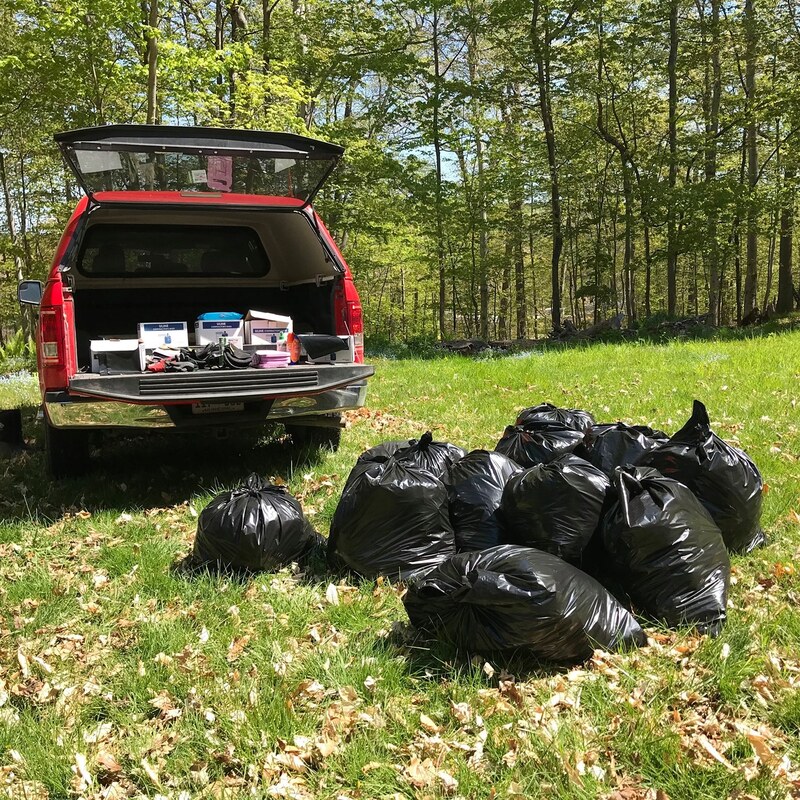
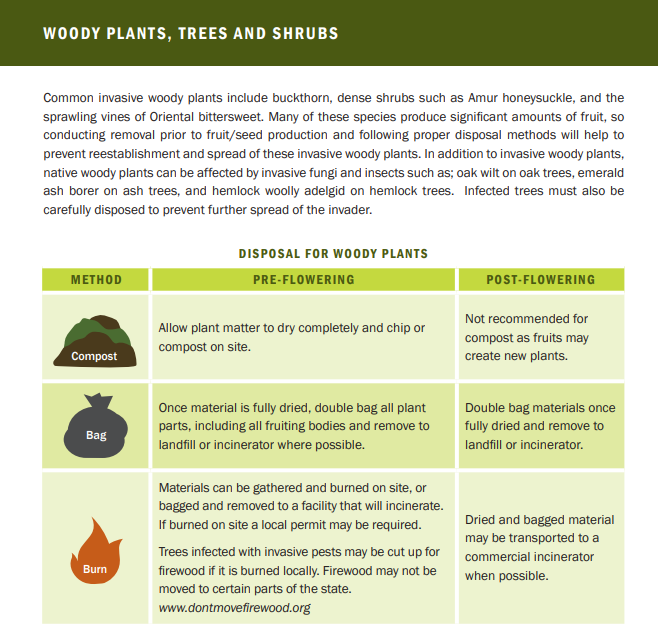
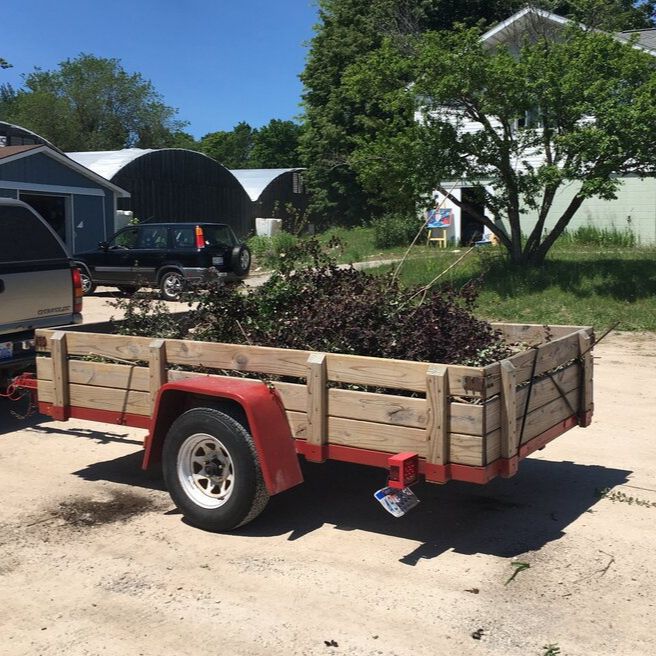
When determining a management plan for any invasive species it is of critical importance to consider the proper disposal method for each species before moving forward. Improper disposal can result in the continued spread of the plant you are trying to manage - often in entirely new places. 
Picture
Picture
Picture
In the State of Michigan, there are several laws pertaining to the disposal of invasive species (see below). 
  • Organizations engaged in invasive species eradication or control may legally dispose of invasive species in a landfill. Individuals interested in sending invasive species to a landfill may be able to coordinate with a local organization or agency engaged in landfill disposal. To find if there is a local program near you contact your regional Cooperative Invasive Species Management Area (CISMA) - (Section 11521(1)(i) of Part 115, Solid Waste Management, of the Natural Resources and Environmental Protection Act, 1994 PA 451, as amended [NREPA])
  • Some invasive species pose a considerable threat to Michigan’s native ecosystems. These species are illegal to transport or possess in accordance with Part 413, Transgenic and Nonnative Organisms, of the NREPA. A list of prohibited and restricted species can be found at the State of Michigan’s Invasive Species website. 
  • According to Section 41325(1) of Part 413 of the NREPA, all boats and boat trailers must be cleared of aquatic plants before being launched or used in Michigan waters. Additionally, all bilge water must be emptied before leaving a body of water if a boat is to be transported over land, as stated in Fisheries Order 245 (Fish Disease Control). ​
Despite these laws, there are still things you as a landowner can do to dispose of invasives properly! 
Click the button below to view the State of Michigan's Invasive Plant Disposal Guide. 
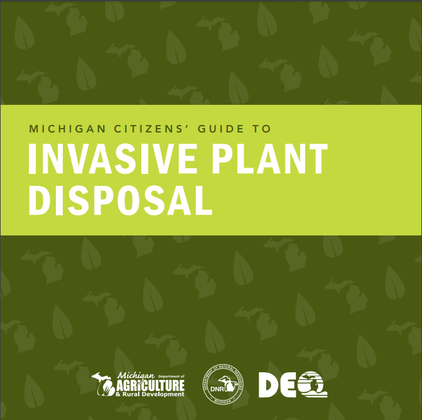
Disposal Guide
Picture
Picture
About Go Beyond Beauty
Created by the Northwest Michigan Invasive Species Network
Contact us:
Inquiries
(231) 299-0805
​
Picture
Picture
Go Beyond Beauty is funded in part by the Michigan Invasive Species Grant Program (MISGP) and the Richard King Mellon Foundation.
  • Home
  • About
    • About Go Beyond Beauty
    • Frequently Asked Questions
  • Species List
    • All GBB Species
    • Species Profiles >
      • Japanese Barberry
      • Invasive Bittersweet
      • Glossy Buckthorn
      • Baby's Breath
      • Dame's Rocket
      • Blue Lyme Grass
      • Non-native Bush Honeysuckles
      • Japanese Honeysuckles
      • Moneywort/Creeping Jenny
      • Reed Canary Grass
      • Common Buckthorn
      • Callery Pear
      • Water Hyacinth
      • Water Lettuce
  • GBB Regional Hubs
    • Find Your Hub
    • Participating Hub Information >
      • NW MI Invasive Species Network
      • Central MI CISMA
      • Friends of the St. Clair River
      • CAKE CISMA
      • KISMA
      • OC CISMA
      • GiLLS CISMA
      • JLW CISMA
    • Becoming a Go Beyond Beauty Hub
  • Resources
    • Invasive Species Disposal
    • MI Invasive Species Management Areas
    • Online and Physical Resources
  • Social Media
    • Facebook
    • Instagram
  • Contact