Go Beyond Beauty (GBB), a program created by the Northwest Michigan Invasive Species Network (ISN - Benzie, Grand Traverse, Leelanau, and Manistee counties), was developed as a way to celebrate garden professionals, at no cost to them, (nurseries, growers, and landscapers) who committed to not selling or using high-priority ornamental invasive species. Additionally, many of those participating in GBB also prioritize the sale and use of native plants - a big win for habitat in Michigan!
In 2020, ISN received funds from the Michigan Invasive Species Grant Program to expand Go Beyond Beauty statewide. With guidance from an advisory committee of natural resource and garden professionals (and after a brief pause during the pandemic), GBB is ready to celebrate even more businesses who want to nix invasive species. Not a garden professional? No problem! We also welcome other businesses, garden clubs, organizations, and individuals who are passionate about gardens and want to make a similar commitment. Depending on your location in Michigan, your local "hub" will accept your registration information and get you started on this important journey to improving the special natural places in Michigan. Find your hub here.
In 2020, ISN received funds from the Michigan Invasive Species Grant Program to expand Go Beyond Beauty statewide. With guidance from an advisory committee of natural resource and garden professionals (and after a brief pause during the pandemic), GBB is ready to celebrate even more businesses who want to nix invasive species. Not a garden professional? No problem! We also welcome other businesses, garden clubs, organizations, and individuals who are passionate about gardens and want to make a similar commitment. Depending on your location in Michigan, your local "hub" will accept your registration information and get you started on this important journey to improving the special natural places in Michigan. Find your hub here.
The following species (and ALL of their cultivars) are not allowed for sale and use in the Go Beyond Beauty program.
This list is the minimum standard of requirement, so the Hub or organization you register with may require more species, depending on location.
This list is the minimum standard of requirement, so the Hub or organization you register with may require more species, depending on location.
|
|
|
Why Avoid Invasive Ornamental Species?Invasive ornamental species - of which there are many - were introduced to garden spaces with good intentions. However, over time, it became clear they could easily spread beyond cultivation and cause harm to nearby natural areas where they soon become established. Often growing larger and faster than native species, these plants easily take over native plants, crowding them out, and lowering the biodiversity of a region.
Additionally, native plants have evolved as hosts to many beneficial insects and other wildlife. As invasives become the dominant species in a region, insect (including pollinator!) habitat is negatively impacted. This greatly affects the entire food web and function of an ecosystem. |
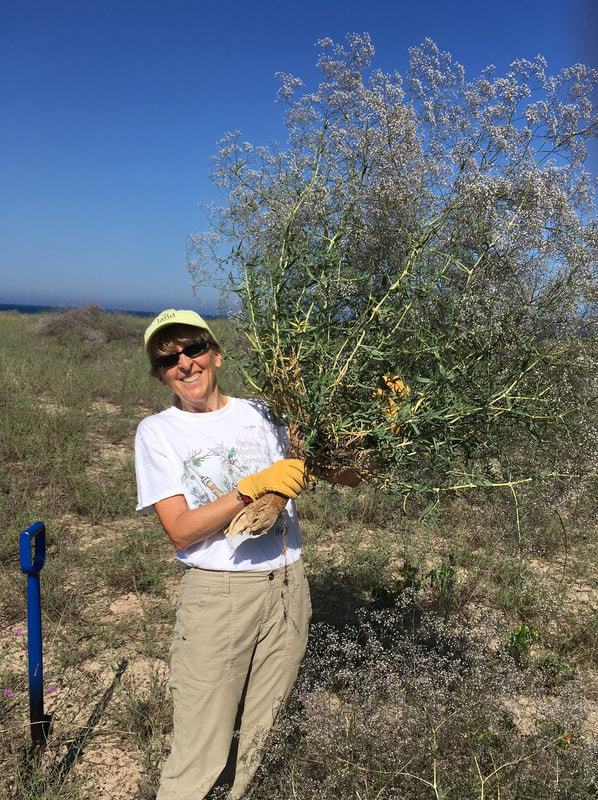
Volunteer, Paula Dreeszen, removing invasive baby's breath from Elberta Beach in Benzie County, MI.
|
Why Plant Native Species?
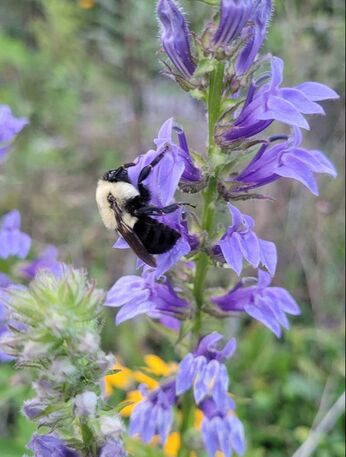
Go Beyond Beauty by planting native plants! Beyond adding an incredible array of colors, textures, and interest to your garden, native plants have adapted to grow to the local environment where they are found. This means, once established, they require much less maintenance than invasive species. They are more drought tolerant (saving water) and are generally more resistant to pests and disease.
From grasses and wildflowers to shrubs and trees, native plants also provide vital habitat to wildlife, especially birds and insects. |
|
|
Created by the Northwest Michigan Invasive Species Network
|
Go Beyond Beauty is funded by the Michigan Invasive Species Grant Program (MISGP)
|

