GO BEYOND BEAUTY
  • Home
  • About
    • About Go Beyond Beauty
    • Frequently Asked Questions
  • Species List
    • All GBB Species
    • Species Profiles >
      • Japanese Barberry
      • Invasive Bittersweet
      • Glossy Buckthorn
      • Baby's Breath
      • Dame's Rocket
      • Blue Lyme Grass
      • Non-native Bush Honeysuckles
      • Japanese Honeysuckles
      • Moneywort/Creeping Jenny
      • Reed Canary Grass
      • Common Buckthorn
      • Callery Pear
      • Water Hyacinth
      • Water Lettuce
  • GBB Regional Hubs
    • Find Your Hub
    • Participating Hub Information >
      • NW MI Invasive Species Network
      • Central MI CISMA
      • Friends of the St. Clair River
      • CAKE CISMA
      • KISMA
      • OC CISMA
      • GiLLS CISMA
      • JLW CISMA
    • Becoming a Go Beyond Beauty Hub
  • Resources
    • Invasive Species Disposal
    • MI Invasive Species Management Areas
    • Online and Physical Resources
  • Social Media
    • Facebook
    • Instagram
  • Contact
Blue Lyme Grass
Leymus arenarius
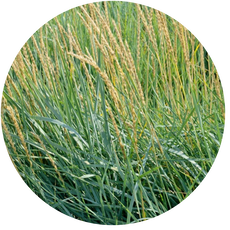
Native to Europe, blue lyme grass is still a popular ornamental species. It is often labeled as, "blue dune grass" in garden centers. It can become very aggressive in its preferred habitats (sunny, well-drained areas), and has become a larger problem along Lake Michigan, including in Wisconsin. 

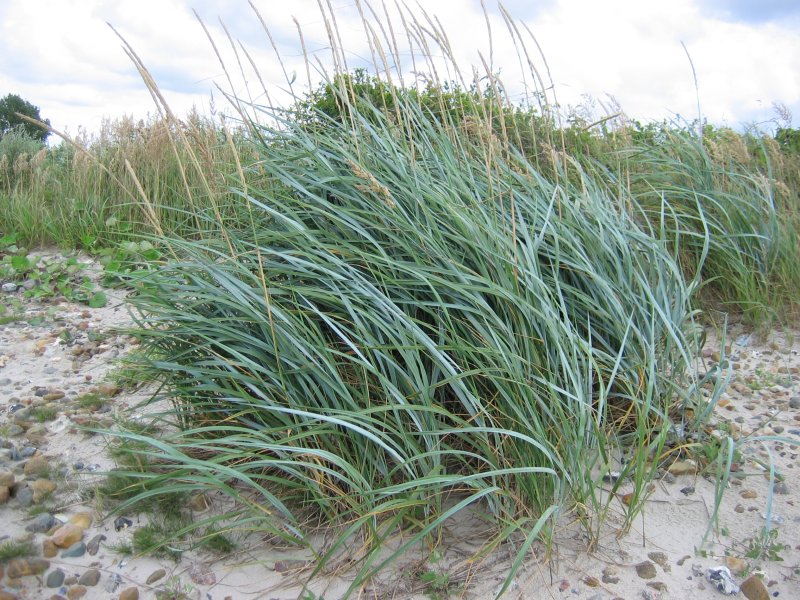
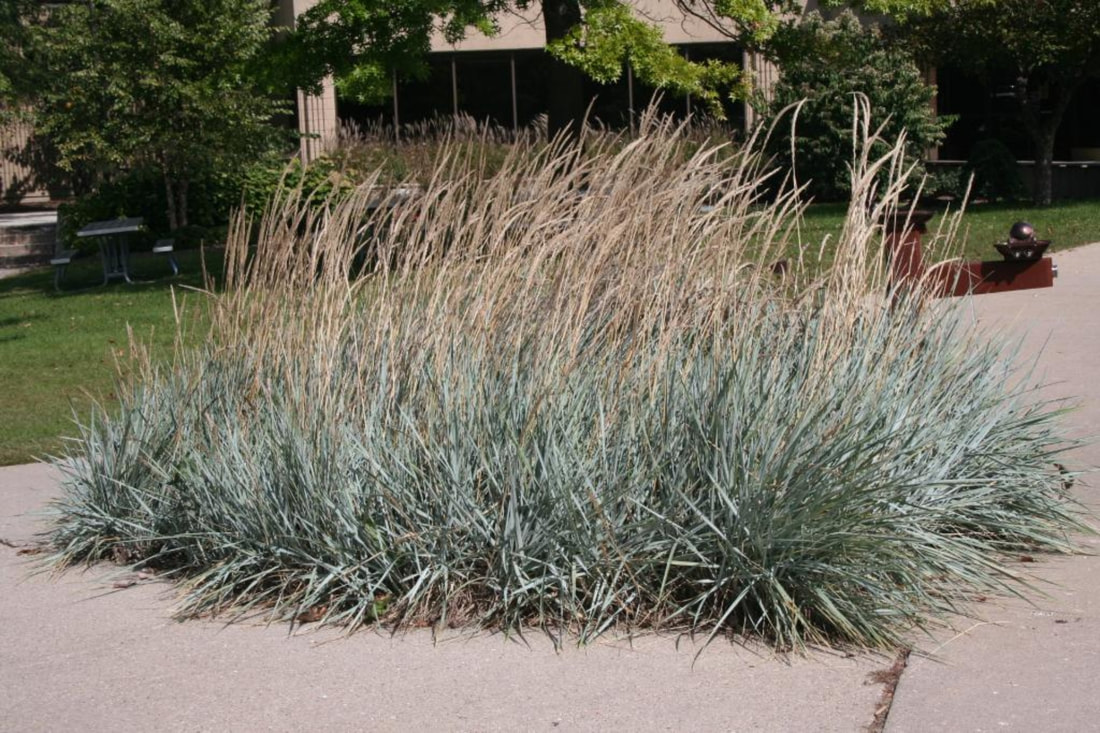
While blue lyme grass has the potential to grow close to five feet tall, it often flops over giving it the appearance of a smaller plant. Its main identifier is the bright-blue stems. When compared alongside native dune grass, the contrast is quite obvious. 

Spreading by runners, or rhizomes, management can be difficult which is one of the reasons it is considered a priority species within the Go Beyond Beauty program. 
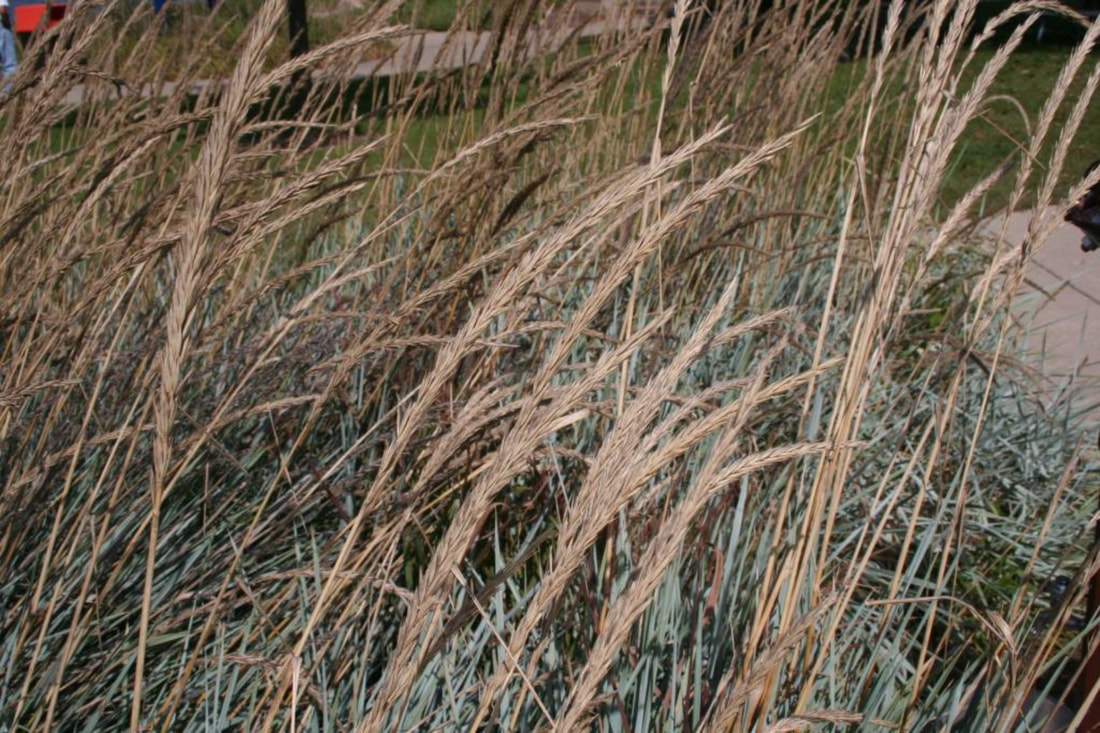
An example of blue lyme grass seed heads.
Blue lyme grass growing among native grasses in a dune ecosystem.
Picture
Photo credits: Sharon Yiesla | Kristian Peters
Learn More About Blue Lyme Grass:

  • Midwest Invasive Species Information Network
  •  The Morton Arboretum

Picture
Disposal Options
Blue Lyme Grass Facts
Picture
  • Introduced locally to the Great Lakes region as an ornamental species. 
  • While it primarily spreads via rhizomes, there is also some seed dispersion. 
  • Very drought tolerant.

Management Options
  • Because blue lyme grass spreads via rhizomes, removal and continued management can be difficult. If this route is taken, one must take extreme care to remove all of the root fragments. 
  • An herbicide application in spring, when native plants are dormant, is an option. However, repeated treatments and continued monitoring will be required to ensure all plants were killed. 
About Go Beyond Beauty
Created by the Northwest Michigan Invasive Species Network
Contact us:
Inquiries
(231) 299-0805
​
Picture
Picture
Go Beyond Beauty is funded in part by the Michigan Invasive Species Grant Program (MISGP) and the Richard King Mellon Foundation.
  • Home
  • About
    • About Go Beyond Beauty
    • Frequently Asked Questions
  • Species List
    • All GBB Species
    • Species Profiles >
      • Japanese Barberry
      • Invasive Bittersweet
      • Glossy Buckthorn
      • Baby's Breath
      • Dame's Rocket
      • Blue Lyme Grass
      • Non-native Bush Honeysuckles
      • Japanese Honeysuckles
      • Moneywort/Creeping Jenny
      • Reed Canary Grass
      • Common Buckthorn
      • Callery Pear
      • Water Hyacinth
      • Water Lettuce
  • GBB Regional Hubs
    • Find Your Hub
    • Participating Hub Information >
      • NW MI Invasive Species Network
      • Central MI CISMA
      • Friends of the St. Clair River
      • CAKE CISMA
      • KISMA
      • OC CISMA
      • GiLLS CISMA
      • JLW CISMA
    • Becoming a Go Beyond Beauty Hub
  • Resources
    • Invasive Species Disposal
    • MI Invasive Species Management Areas
    • Online and Physical Resources
  • Social Media
    • Facebook
    • Instagram
  • Contact